What Is a System Cabinet? A B2B Guide to Modular Whole-Home Cabinetry
Learn what a system cabinet is, how modular system cabinet solutions support whole home cabinetry projects, and how B2B buyers can choose the right cabinetry OEM supplier.
2026/09/16
Reading volume: 3
News Details
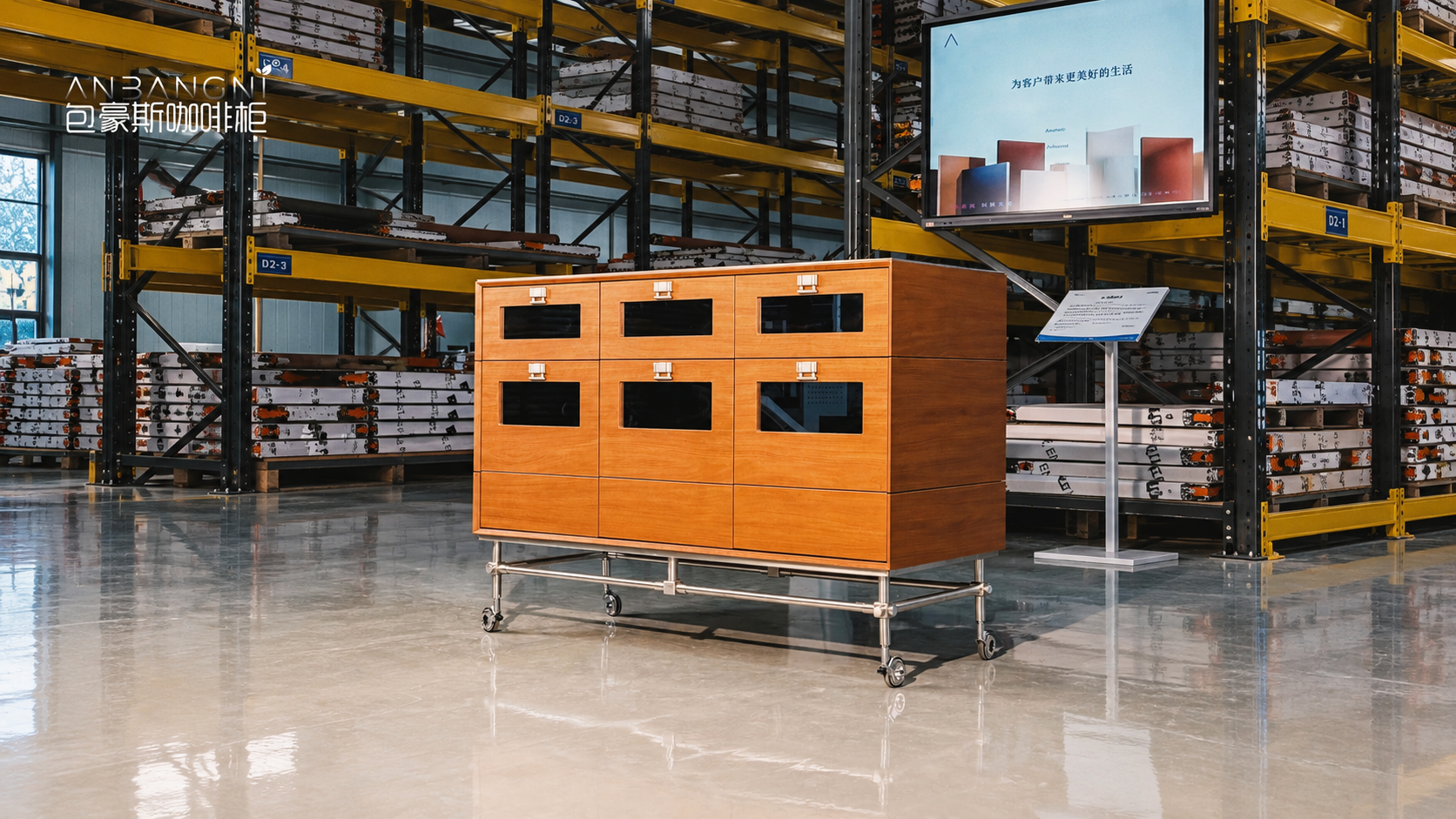
What Is a System Cabinet?
A system cabinet is a cabinet solution built from planned modules, matched panels, hardware, and storage parts. Instead of treating each cabinet as a separate item, a system cabinet uses one clear structure across many spaces.
For B2B buyers, this is important. A modular system cabinet can support kitchens, wardrobes, wall units, coffee cabinets, storage rooms, and other home areas with a more unified look. As a result, designers, dealers, and project buyers can plan whole home cabinetry with better control over style, size, cost, and delivery.
Why System Cabinets Matter for B2B Projects
In many projects, buyers need more than one cabinet. They need a full solution that looks consistent from room to room. Therefore, a custom cabinet system can help reduce design gaps and make production easier.
For example, one project may need kitchen cabinets, wardrobe systems, display cabinets, and storage hardware. If each part comes from a different source, color, texture, size, and hardware fit may become hard to manage. However, a system cabinet approach keeps these parts connected.
This makes it useful for developers, interior design firms, cabinet brands, importers, and distributors.
Key Parts of a Modular System Cabinet
A strong modular system cabinet is not only about the cabinet body. It usually includes several connected parts:
Cabinet body panels for structure and strength.
Door panels for style and daily use.
Decorative panels for color, texture, and surface feel.
Hardware systems for movement, storage, and access.
Lighting systems for display and comfort.
Accessories for drawers, wardrobes, corners, and wall cabinets.
Because these parts work together, the final cabinet can feel more complete. Also, buyers can choose different finishes and functions while still keeping a common system.
System Cabinet vs Traditional Custom Cabinet
A traditional custom cabinet is often made for one space only. It may solve a single design need, but it can be harder to repeat across many rooms or many projects.
In contrast, a system cabinet is more planned. It supports standard parts, repeatable details, and flexible combinations. Therefore, it can help B2B buyers manage larger orders with less confusion.
A custom cabinet system is still flexible. It can be adapted to size, finish, layout, and function. Yet it gives buyers a more stable base for design, production, and installation.
Benefits for Whole Home Cabinetry
Whole home cabinetry is becoming more popular because buyers want one clear style across the full home. Cabinets are no longer used only in kitchens. They now shape bedrooms, living rooms, entry areas, study rooms, and utility spaces.
A system cabinet supports this trend in several ways.
First, it helps create visual consistency. Wood grain, metal finish, acrylic, lacquer-feel, and ultra-matt panels can be used across different spaces.
Second, it improves space use. Pull-out storage, drawer dividers, wardrobe lifts, corner systems, and wall cabinet storage can make each area more useful.
Third, it can make project planning simpler. With matched panels and hardware, buyers can reduce the risk of mismatched parts.
What B2B Buyers Should Check
Before choosing a cabinetry OEM supplier, buyers should review more than price. A good supplier should offer stable production, clear product lines, and strong material support.
Here are key points to check:
Factory capability and equipment.
Panel options and finish quality.
Hardware system range.
Edge banding and detail control.
Sample support and project communication.
Ability to support repeat orders.
Experience with whole home cabinetry projects.
Anbangni has focused on custom whole-home cabinetry and furnishings since 2002. The company supports production with more than 20,000 square meters of manufacturing space and advanced equipment, including German IMA and Homag technology. It also works with well-known material brands such as EGGER and CLEAF.
Common Applications
A modular system cabinet can be used in many B2B settings. These include residential developments, villa projects, apartments, hotels, showrooms, and retail cabinet programs.
Common product applications include:
Kitchen cabinet systems.
Wardrobe and closet systems.
Decorative wall storage.
Mobile coffee cabinets.
Glass door cabinets.
Drawer storage systems.
Lighting and handle systems.
Because each part can be planned as part of a wider system, buyers can build a full product offer instead of selling only single cabinets.
Why Work With a Cabinetry OEM Supplier
For importers, dealers, and project companies, working with a cabinetry OEM supplier can save time. It allows buyers to focus on market needs, sales, and project service while the supplier supports product development and manufacturing.
A capable supplier can also help with samples, material matching, finish selection, structure details, and bulk production. As a result, the buyer can move from design idea to finished cabinet more smoothly.
Final Thoughts
A system cabinet is more than a cabinet. It is a planned way to build modular, flexible, and consistent storage across the whole home.
For B2B buyers, a modular system cabinet can improve design control, reduce sourcing pressure, and support larger project needs. When paired with high-quality panels, reliable hardware, and experienced production, a custom cabinet system becomes a strong base for modern whole home cabinetry.
Anbangni provides system cabinet solutions, decorative panels, and modular cabinet hardware systems for buyers who need a complete and scalable cabinetry program.


